
Chronic Kidney Disease in Cats

What is chronic kidney disease in cats?

Chronic kidney disease (CKD) is the persistent loss of kidney function over time. Healthy kidneys perform many important functions, most notably filtering the blood and making urine, so problems with kidney function can result in a variety of health problems for a cat. Among the many different kidney diseases that may affect cats, CKD is the most common.

The kidneys are part of the renal system, the body’s system for filtering impurities out of the blood. Urine produced in the kidneys is carried to the bladder by the ureters and from the urinary bladder to the outside world by the urethra.

Clinical Signs and Symptoms of Chronic Kidney Disease in Cats

Cats with CKD may experience a buildup of the waste products and other compounds in the bloodstream that are normally removed or regulated by the kidneys. This accumulation may make them feel ill and appear lethargic, unkempt, and lose weight. They may also lose the ability to concentrate their urine appropriately, and as a result they may urinate greater volumes and drink more water to compensate. The loss of important proteins and vitamins in their urine may contribute to abnormal metabolism and loss of appetite. They may also experience elevated blood pressure (hypertension), which can affect the function of a number of important systems, including the eyes, brain, and heart.

Another cause of lethargy in cats with CKD is the buildup of acids in their blood. The kidneys of cats with CKD may not excrete these compounds appropriately, making affected cats prone to blood acidification, or acidosis, a condition that can significantly affect the function of a variety of organ systems in the body. CKD may also decrease a cat’s ability to produce red blood cells, which can lead to anemia, a reduced concentration of red blood cells in their blood. This may cause their gums to appear pale pink, or in severe cases, whitish in color, and may make them lethargic.


Diagnosis of Chronic Kidney Disease in Cats

To evaluate kidney function, veterinarians will most often turn to blood tests and urine analysis (urinalysis) to evaluate the concentrations of waste products and other components that healthy kidneys normally filter or regulate.

Blood tests can determine the concentration of two important waste products: blood urea nitrogen (BUN) and creatinine, but creatinine is generally recognized as a more specific indicator of kidney function. An increase in the concentration of these compounds in your cat’s blood may suggest that his kidneys are not functioning properly, although these values must be interpreted in light of a number of factors. Dehydration, for example, can cause BUN and creatinine concentrations to increase in spite of the fact that a cat’s kidneys are functioning normally. Ideally, a veterinarian will base his or her interpretation of kidney function on at least two blood samples, obtained within two weeks of one another, from a normally hydrated cat that has fasted for 12-24 hours. The concentrations of other blood components, including various electrolytes (like sodium and potassium), phosphorus, red blood cells, and proteins are also important to evaluate in a cat being examined for CKD.

In a urinalysis, your veterinarian will consider the concentration of the urine, its pH, and the presence of protein, blood cells, bacteria, and other cells that generally should not be found in feline urine, all of which provide important information regarding the health of a cat’s kidneys. It is also important to culture a urine sample to rule out the possibility of bacterial infection of the urinary tract in suspected cases of CKD. Urine samples may be obtained either by collection from a litter box filled with non-absorbent beads designed for this purpose, by catheterization of the urethra (the opening of the urinary tract to the outside world), or by cystocentesis, a technique that extracts a urine sample by passing a very fine needle through the abdominal wall into the bladder. Cystocentesis is generally considered a safe procedure and in most cases will provide the most diagnostically useful sample for analysis.

Other studies that can be useful in evaluating a cat with suspected CKD include imaging studies such as abdominal ultrasound, radiographs (X-rays), and, in some cases, microscopic evaluation of biopsy samples. Given the potential for hypertension in cats with CKD, measurement of a cat’s blood pressure is also an important part of the medical evaluation for this disease.

Treatment of Chronic Kidney Disease in Cats

Although there is no definitive cure for CKD, treatment can improve and prolong the lives of cats with this disease. Therapy is geared toward minimizing the buildup of toxic waste products in the bloodstream, maintaining adequate hydration, addressing disturbances in electrolyte concentration, supporting appropriate nutrition, controlling blood pressure, and slowing the progression of kidney disease.

Dietary modification is an important and proven aspect of CKD treatment. Studies suggest that therapeutic diets that are restricted in protein, phosphorus and sodium content and high in water-soluble vitamins, fiber, and antioxidant concentrations may prolong life and improve quality of life in cats with CKD. However, many cats have difficulty accepting therapeutic diets, so owners must be patient and dedicated to sticking to the plan. It is important to make a gradual transition to a therapeutic diet and to consider food temperature, texture, and flavor. Cats with CKD that go without food for relatively short periods of time may develop significant health problems, so it is crucial to make sure that your cat is eating during a transition to a therapeutic diet.

Controlling hypertension, decreasing urinary protein loss, and addressing anemia are important therapeutic goals in cats that develop these conditions. Hypertension is usually controlled with oral medication, and urinary protein loss may be treated with angiotensin converting enzyme inhibitors. Anemia in a cat with CKD may be treated by replacement therapy with erythropoietin (or with related compounds), which stimulates red blood cell production. Cats with CKD may produce less erythropoietin, and there is some evidence that replacement therapy can increase red blood cell counts. In some cases, blood transfusions, which may be used to restore normal red blood cell concentrations using blood obtained from a donor cat, may be necessary.

Although a number of other therapies, including phosphate binders, potassium supplementation, antioxidant supplementation, alkalinization therapy, and administration of fluids either intravenously or subcutaneously, have the potential to help cats with CKD, these approaches have not been fully validated, and controlled studies are needed to determine whether they offer any benefits. The same is true of hemodialysis (the removal of toxic waste products from the bloodstream by specially designed equipment) and kidney transplantation. These controversial, complex, and expensive treatments offer potential benefits to cats with CKD, but they have not been subjected to studies to prove their effectiveness, so they should be explored with the careful guidance of a veterinary specialist.

Prognosis of Chronic Kidney Disease in Cats

Some cats respond very well to treatment for CKD while others do not, so the prognosis for CKD in affected cats is quite variable. Some studies suggest that cats that lose more protein in their urine have less favorable prognoses. There is evidence suggesting that the earlier CKD is diagnosed and treatment is initiated, the better the outcome with respect to quality of life and survival.


Hear From Us Again

Don't forget to subscribe to our email newsletter for more recipes, articles, and clinic updates delivered straight to your e-mail inbox.

Related Categories:

Cat Health

What Is Inappropriate Mentation in Cats? Signs, Causes, and Treatment

Cats, unlike dogs, are discerning and less eager to please their owners. A cat probably won't come when called and rarely will even respond to its name. And while a rare forgotten trip to the litter box or food bowl shouldn't be cause for concern, when a cat seems unusually confused, disoriented, or uncoordinated, a visit to the vet is warranted. It could be suffering from acute sickness, a seizure disorder, or could have been exposed to an environmental toxin, causing a temporary lapse of normal behavior. Any abnormal behavior that continues for more than 24 hours or several times per week could be the result of a serious health issue. Note that a neurologic anomaly can only be diagnosed by a vet.

What Is Inappropriate Mentation?

Inappropriate mentation in cats refers to a host of disorders that can lead to disrupted cognitive functioning. This type of brain misfiring can result in memory loss, incoordination, and basic malfunctioning in everyday cat life. Sometimes these issues are small and acute, caused by temporary injury or inflammation. And sometimes brain disorders can be major, resulting in a compromised quality of life. Assessing the signs and discussing your concerns with your vet are the initial steps in the diagnosis and treatment of mentation disorders in cats.

Signs of Inappropriate Mentation

Cats learn by remembering, but a kitten who suffered an head injury early in life may have damaged the portion of the brain that affects short-term memory. A traumatic brain injury could account for difficulty remembering the location of food bowls or litter boxes. It can also explain an unsteady gait, incoordination, and balance issues. Traumatic injuries can also cause stunted growth. A new pet that seems to be on the smaller side for its age and breed, or a kitten who fails to grow, may have previously succumbed an injury. Seizure disorders can also cause disorientation, pacing, and confusion just following an episode. And old age can result in senility, presenting as forgetfulness, anxiety, and uncoordinated behavior. When witnessed over and over again, this could be confused for a more serious brain injury. Some infections (e.g. feline infectious peritonitis) cause damage to the portion of the brain that controls balance and walking. Affected kittens show severe trouble walking, but can otherwise live a normal and happy life.

Causes of Inappropriate Mentation

There is much debate over whether or not a cat can have a mental illness. If your cat's behavior seems off, it could be ill or could have a more serious problem with its nervous system. "Slowness" can be the result of brain damage due to injury, infections, environmental toxins, seizure disorders, genetic mutations, and even cognitive dysfunction in older cats. In the case of brain injury or infection, a functioning cat is a happy cat. If its setback doesn't interfere with your cat's daily functions, there's little you need to do about it. Get a firm diagnosis so you can take appropriate measures to prevent further seizures and neurological damage.

Cognitive dysfunction (or feline dementia) occurs most frequently in cats greater than 9 years old. If you adopt an older cat and feel like its personality is "off," it could be suffering from senility. In addition to general uncoordinated behavior, cats with dementia can also show unnecessary aggression and may display incontinence.

Diagnosis

At the vet's office, any potential brain injury is treated as an emergency, especially if it was a result of head trauma. So in addition to stabilizing your pet, the vet will perform an exam specifically looking at your cat's neurological system. The vet may determine an MRI or CT scan is needed. In the case of environmental toxin exposure—most specifically lead ingestion (which can cause a slew of neurological issues)— your vet will perform a blood test. If you cat has a seizure disorder, bloodwork is also recommended to rule in/out metabolic causes of seizures. MRI scans are done to rule out inflammatory conditions or tumors. Severe seizure cases require an EEG to measure the electrical activity in your cat's brain. For feline dementia, a vet will discuss your cat's full health history and, if necessary, perform blood tests to rule out other health conditions such liver or kidney disease.

Treatment

Any cat that suffers a potential head injury needs to be examined by a veterinarian. A vet will first stabilize the injured kitty using IV fluids and oxygen. However, a full recovery is not always guaranteed. After the injury, your cat may act different, lose its laser-sharp coordination, or have a change in personality. If this happens, the best you can do is provide a loving and supporting environment, reduce stressors, and eliminate unpredictable events as much as possible. Observe your cat's limitations and provide a lifestyle that works within them. Your veterinarian is an excellent resource for options.

Cats exposed to environmental toxins also need to be inspected by a vet, as the extent of exposure could be fatal. Treatment by a vet may include inducing vomiting, feeding your cat charcoal to absorb the toxin, administering IV fluids and medication, and time to process the toxin. If your cat has a full recovery, any neurological signs should eventually subside.

For seizure disorders (brought on by genetic conditions or other), a vet will prescribe medications to control the seizures. Most cats go on to live happy and healthy lives and any post-seizure temperament disorders should be alleviated.

There is currently no cure for feline dementia. Maintaining a good routine, providing options for exercise, and feeding your cat a high-quality food will help treat further decline. Supplements like omega-3 fatty acids, SAMe, and melatonin may improve brain function in older cats and aromatherapy with essential oils can ease anxiety.6 However some oils can be toxic to cats so you must seek your veterinarian's advice before exposing your cat to these products.

If you suspect your pet is sick, call your vet immediately. For health-related questions, always consult your veterinarian, as they have examined your pet, know the pet's health history, and can make the best recommendations for your pet.


Hear From Us Again

Don't forget to subscribe to our email newsletter for more recipes, articles, and clinic updates delivered straight to your e-mail inbox.

Related Categories:

Cat Health

Cat Vomiting, Diarrhea, Bloody Stool - Irritable Bowel Disease in Cats

Overview and Risk

Inflammatory bowel disease (IBD) is a condition that results when your cat’s immune system turns against the lining of their gastrointestinal (GI) tract, resulting in impaired absorption of nutrients and the ability to digest food properly. This wreaks havoc on your cat’s entire GI tract resulting in vomiting, diarrhea, and weight loss. IBD is one of the most common causes of persistent vomiting and diarrhea in cats. Unfortunately, the cause of this debilitating disease is unknown. It is seen most often is a problem in middle-aged or older cats though younger cats may be affected as well.

Symptoms

Any cat owner knows that vomiting and diarrhea occasionally happen. After all, what fun would owning a cat be without a few hairballs? With IBD, however, the vomiting and/or diarrhea become chronic, occurring regularly rather than occasionally. Cats with IBD don’t necessarily act sick, other than displaying GI symptoms.

If your pet has IBD, you may notice the following:

  • Diarrhea

  • Blood or mucus in stool

  • Black, tarry stool (melena)

  • Gas

  • Straining to defecate

  • Weight loss

  • Increased or decreased appetite

  • Lethargy

  • Vomiting

  • Accidents outside the litter pan

Diagnosis

Diagnosing IBD begins with a thorough physical examination and tests to rule out other possible causes of the diarrhea and/or vomiting. These tests may include the following:

  • Chemistry tests to evaluate kidney, liver, and pancreatic function as well as sugar levels

  • A complete blood count (CBC) to assess for infection, anemia, and other problems

  • Electrolyte tests to ensure your cat is neither dehydrated nor suffering from an electrolyte imbalance

  • X-rays of the abdomen to rule out GI obstruction, foreign body or masses

  • An ultrasound to evaluate the integrity of your cat’s digestive tract, pancreas, and other organs

  • Specific tests to rule out viral infections such as feline leukemia or feline immunodeficiency virus

  • Fecal tests to identify potential fecal parasites

  • Special fecal tests, such as cultures and polymerase chain reaction (PCR) testing

  • Intestinal biopsy using endoscopy, laparoscopy, or surgery to allow definitive diagnosis

Treatment

Upon diagnosing IBD in your cat, your veterinarian may recommend medications that will treat your pet's symptoms. These may include:

  • Dietary modification to decrease antigenic stimulation of the GI tract

  • Deworming to treat undetected intestinal parasite

  • Antibiotics to treat overgrowth of bacteria

  • Corticosteroids to minimize inflammation

  • Others – probiotics, vitamin B12, antiemetic’s, additional medication to suppress the immune system

When treating IBD, it is very important to administer all medications prescribed by your veterinarian, as well as to follow any dietary guidelines he or she suggests.

Prevention

Unfortunately, there are no preventive measures that will protect your cat from inflammatory bowel disease.

If you have any questions or concerns, you should always visit or call your veterinarian – they are your best resource to ensure the health and well-being of your pets.


Hear From Us Again

Don't forget to subscribe to our email newsletter for more recipes, articles, and clinic updates delivered straight to your e-mail inbox.

Related Categories:

Cat Health

What fruits can dogs eat?

You already know that fruit is important for keeping yourself healthy, but did you know that it’s great for your dog, too? While dogs don’t need fruit to be at their healthiest, the addition of fresh fruits to your pup’s normal diet, with permission and instructions from your vet, can provide them with an added boost of vitamins, minerals, and antioxidants, as well as some always-welcome extra hydration.

An important thing to remember, however, when it comes to feeding your dog fruit is that while many fruits are great for dogs, that doesn’t mean all of them are. In addition to checking out our list of the fruits that you shouldn’t feed your furry friend at the bottom of this page, you should also be sure to pay attention to how your dog responds to certain fruits. If you notice signs of an upset stomach or other discomfort, don’t feed them that type of fruit anymore—even if it’s otherwise safe for them. it’s also important to introduce new foods slowly, so as to pinpoint these possible affects.

Apples

An apple a day might not keep the vet away, but slices or otherwise small bits of apple make excellent treats and meal toppers. Just be sure not to feed your dog any apple seeds, since they contain small amounts of cyanide and also pose a choking risk.

Benefits:

  • Help clean teeth and freshen breath.

  • Contain vitamin A, vitamin C, and fiber, and there are also phyto-chemicals in the skin, which have been found to combat the growth of cancer cells in laboratory studies.

Bananas

Bananas have a ton of health benefits for our furry friends. They’re also innately portable, making them a good snack to bring along for the two of you to share on long walks.

Benefits:

  • The fiber in bananas may be good for your dog's digestion.

  • Contain high amounts of potassium, fiber, and vitamin C.

Blackberries

It’s safe to share blackberries with your pup, though use your best judgment in terms of cutting them up into smaller bites. Stick to sweeter blackberries, instead of tart ones, which your dog will likely prefer.

Benefits:

  • May have antibacterial properties that support good oral health.

  • Contain vitamins C and K, manganese, and fiber.

Blueberries

Dogs tend to love blueberries, which are already perfectly sized as treats for mouths both big and small. If you’re dealing with a tiny dog or a big blueberry though, cut the berry in half before serving.

Benefits:

  • Blueberries are low in sugar and fat and make a good treat for dogs who need to avoid too many extra calories.

  • Contain vitamins C and K, as well as calcium, magnesium, zinc, iron, and antioxidants.

Cantaloupe

Cantaloupe is a safe and healthy fruit for your dog to enjoy, but avoid feeding the rind, since the rough texture can cause intestinal damage.

Benefits:

High doses of beta-carotene, which is good for your dog’s vision and immune system.

Contains vitamins A, B-6, and C, as well as fiber, potassium, folate, and niacin.

Cranberries

Thanksgiving isn’t the only reason to stock these sweet treats in your home. Cranberries can be fed to your dog raw, cooked, or dried, but skip the sugar-laden cranberry sauce (sorry, Fido).

Benefits:

  • Cranberries are high in antioxidants.

  • Contain vitamins C and E, as well as a range of B vitamins, including thiamin, niacin, riboflavin, and B-6.

Papaya

Go ahead and feed papaya to your pup. The flesh of this exotic fruit makes an excellent snack.

Benefits:

  • Contain vitamins A, C, E, and K, as well as folate.

  • Hi in fiber, calcium, and potassium.

Raspberries

When consumed in moderation, raspberries serve as a delicious treat for you dog. And most dogs seem to like them, especially when they’re at their peak sweetness in summer.

Benefits:

  • Thought to help fight against cancer, circulatory disease, and age-related decline.

  • Contain vitamin C, folic acid, copper, magnesium, fiber, and antioxidants.

Strawberries

Like most other berries, strawberries are chock-full of antioxidants. For safe feeding, slice off the leaves at the top first and then quarter the strawberry. If your dog is small, cut each quarter in half (or smaller).

Benefits:

  • Strawberries can provide a big boost to the immune system with their high level of antioxidants. They also have a high water content, making them a hydrating snack.

  • Contain vitamins C, B-6, K, and E, as well as folate, potassium, and manganese.

Watermelon

Nothing is quite as satisfying on a hot day as a juicy slice of watermelon, and our dogs agree. Just don’t feed the rind or seeds, which are difficult for your dog to digest.

Benefits:

  • High in lycopene, an antioxidant that protects against cell damage.

  • Contain vitamins A, B-6, and C, as well as thiamin, which helps convert fat, protein, and carbohydrates into energy.

  • Incredibly hydrating thanks to a high water content.

Fruits You Shouldn’t Feed Your Dog

While the list of fruits that dogs can eat is long, as a responsible pet parent you should also be aware of the fruits that dogs can’t eat. These include:

  • Cherries

  • Grapefruit

  • Grapes

  • Lemons

  • Limes

  • Plums

Always err on the side of safety when it comes to feeding your dog any type of fruit for the first time. Even fruits that aren’t on this list can pose a problem to your particular dog, so do your research, feed only small amounts at first, and be on the lookout for signs of a bad reaction.


Hear From Us Again

Don't forget to subscribe to our email newsletter for more recipes, articles, and clinic updates delivered straight to your e-mail inbox.

Related Categories:
Dog Health

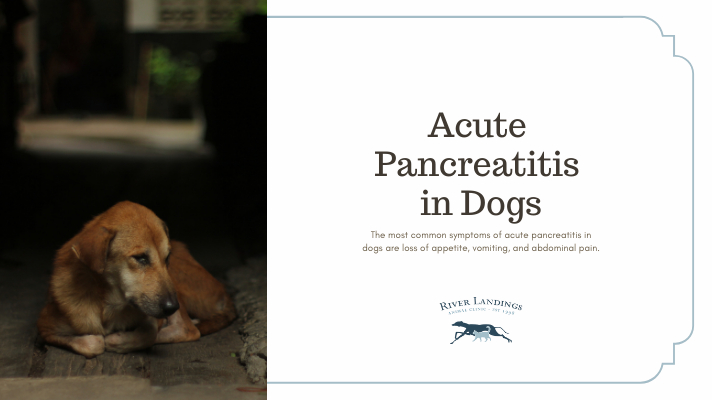
Acute Pancreatitis in Dogs

Acute Pancreatitis in Dogs

The pancreas has many functions, including the production and secretion of digestive enzymes and the production of insulin. Digestive enzymes are critical for food digestion, while insulin aids in the control of the metabolism and blood-sugar levels. Pancreatitis means “inflammation” of the pancreas and acute means “sudden.” When the pancreas becomes inflamed, digestive enzymes that are normally inactive until they reach the small intestine become active in the pancreas instead—resulting in pain and swelling as the pancreas actually begins to digest itself.

Risks of Acute Pancreatitis in Dogs

There are many suggested causes of acute pancreatitis including: obesity, high-fat diets, endocrine diseases such as hypothyroidism, and various medications or toxins. Even if your dog doesn’t normally eat a high-fat diet, the introduction of a large amount of fatty food all at once can cause acute pancreatitis. Veterinarians see an increase in pancreatitis around the holidays, since many people think a nice way to celebrate is to share their holiday meals with their dog. In addition, dogs that get into garbage are much more likely to develop pancreatitis, so be sure to keep your trash out of your dog’s reach! Pancreatitis can occur in any dog, but some breeds are more susceptible to this disease. They include the miniature schnauzer, miniature poodle, and cocker spaniel. Additionally, pancreatitis is more common in middle-age to older dogs, overweight dogs, and females.

Symptoms of Acute Pancreatitis in Dogs

The most common symptoms of acute pancreatitis in dogs are loss of appetite, vomiting, and abdominal pain. Other symptoms you may notice include:

  • Swollen abdomen

  • Abnormal posture; arching of the back

  • Diarrhea

  • Lethargy

  • Restlessness

  • Gagging

  • Diagnosis/Treatment

Your veterinarian will take a complete history and perform a thorough physical exam. Additionally, diagnostic tests will be required to identify if your dog has acute pancreatitis. These may include:

  • Chemistry tests to evaluate kidney, liver, and pancreatic disease or dysfunction, as well as blood sugar levels

  • A complete blood count to screen your pet for infection, inflammation, or anemia and other blood-related conditions

  • Electrolyte tests to ensure your dog is neither dehydrated nor suffering from an electrolyte imbalance

  • Pancreas-specific tests to help diagnose or rule out the disease

  • Imagaing studies to evalutate the pancreas and other abdominal organs

The treatment of pancreatitis depends on the severity of the disease and may include:

  • Hospitalization at the veterinary clinic and in more severe cases 24 hour intensive care and monitoring

  • Intravenous fluids

  • Pain medicine

  • Antivomiting medication (antiemetics)

  • Antibiotics, if a secondary bacterial infection is suspected

  • Nutritional support

  • Other medications, depending on your dog’s symptoms

Keep in mind that your veterinarian may recommend that some diagnostic tests, such as the CBC, chemistry tests, and pancreatic-specific tests be repeated to monitor your dog’s progress during treatment.

Your veterinarian will recommend a treatment plan that is specific for your pet. Make sure you give all medications as directed and carefully follow any dietary recommendations. Following recovery a low fat diet may be recommended to decrease the chance of recurrence. Keep a close eye on your best friend; if he or she becomes lethargic or stops eating, call your veterinarian right away.

Prevention of Acute Pancreatitis in Dogs

While you can’t completely prevent acute pancreatitis, the following will help reduce the risk of your dog developing the disease and ensure his health and well-being:

  • Don’t let your dog become overweight—weight management is just as important for our four-legged friends as it is for us!

  • Avoid high-fat diets.

  • Avoid giving your dog table scraps, especially if he isn’t accustomed to eating people food.

  • Make sure you discuss all medications your dog is receiving with your veterinarian.

  • Don’t let your dog have access to garbage

If you suspect your pet is overweight or potentially suffering from pancreatitis, please call your vet.


Hear From Us Again

Don't forget to subscribe to our email newsletter for more recipes, articles, and clinic updates delivered straight to your e-mail inbox.

Related Categories:

Dog Health