Why Do Some Cats Eat Plastic?

It’s in a cat’s nature to chew, but chewing on plastic can be dangerous.

Many cats find joy in non-toy objects. We have all probably heard that cats love to play in paper bags, and if you are reading this, you have undoubtedly seen photos shared on social media sites with cats curled up in cardboard boxes. A bit less predictable and a little more esoteric, however: eating plastic.

The real danger here is many cats end up eating the plastic and getting blocked along their GI tract, requiring surgery. If your cat does eat any plastic, we would recommend taking this behavior seriously and attempting to address it quickly.

Cat’s Drive for Plastic: A Compulsive Disorder?

You may be familiar with the medical term pica: the eating of non-food objects.

Sometimes it is believed the pet is attempting to fill a nutritional void, but in cases where the pet relentlessly seeks one particular type of object, it may be an obsession and not a nutrition deficit. Pica in cats can be caused by a number of conditions, including gut disease, feline leukemia virus (FeLV), feline immunodeficiency virus (FIV), anemia, obsessive compulsive disorder, dental disease, and hyperthyroidism to name a few. A vet visit is always a wise place to start.

Eating plastic doesn’t automatically qualify as a compulsive behavior in some cats because they seem to like the way the plastic tastes or feels more than that they “need” to be doing this. For this reason, jumping to behavior-modifying drugs is not typically recommending for cats that seem to be strongly driven to explore and chew specific tastes and textures.

If your veterinarian explores the potential cause for plastic-seeking behavior and believes it points to a compulsive disorder, behavior-modifying drugs such as fluoxetine (generic Prozac) may be a consideration.

Non-Medical Therapy for Plastic Eating Cats

Providing multiple opportunities for hunting and play games, cat manipulation toys with food stuffed inside for foraging and eating, feeding both canned food and unique orally stimulating food, and offering dog chew toys as an alternative may help. Chew items such as rawhide chews, Nylabones, cat grass, and softer dead animal parts that are available as chews for dogs (e.g. lambs’ ears) can help. Make sure that there is also adequate aerobic play to keep the inquisitive cat busy and reward-based training to help satiate intelligent cats.

Ultimately, if the problem continues, the most extremely-affected plastic-seeking cats may need to be confined or housed in a cat-proofed room at times when supervision is not possible to protect them from foreign object ingestion.

Some cats just like to eat plastic. Cats have liked stranger things; bleach? New shoes? Your hair?

Has your cat ever eaten something strange? Leave us a comment below.


Hear From Us Again

Don't forget to subscribe to our email newsletter for more recipes, articles, and clinic updates delivered straight to your e-mail inbox.

Related Categories:

cat health

How to Train Your Pet to Love Grooming and Nail Trims

You finally mustered the nerve to carry out the task you’ve been dreading all week—a must because you’re having guests and you want your pet to look their best! Brush in one hand, nail clippers in the other, you begin your hunt throughout the house. “Over here!” shouts your spouse. The two of you conspire to hold the struggling pup down to give a toenail trim and groom their mats out but after just seconds you both give up.

Many pet parents are afraid or unable to trim their dog or cat’s nails and some are even unable to brush their pets. You might think it’s not a big deal; however, these are essential pet care tasks that may need to be performed on a regular basis. Untrimmed or worn nails can snag on objects and tear as well as cause abnormal walking gait. They can even grow so long that they curve around back into the foot causing lameness and pain. Long nails can also cause damage to furniture and can scratch humans who are playing with their long-nailed pets. Brushing is also essential in pets with long-hair or thick coats in order to prevent matting, help decrease shedding, and prevent associated skin problems.

Getting Started

In order to teach your dog to accept grooming, you are going to need a few basic supplies. You should have a toothbrush and toothpaste specially designed for dogs, which are generally available at your vet or local pet store. A brush and dog nail clipper or Dremel will also be vital for training as well as essential grooming tools you should keep at home for in between-groomer-visits doggy maintenance. Finally, a selection of treats will come in handy for teaching your dog to associate pawsitive and happy experiences with grooming.

Training pets to be ok with being brushed

Step 1- Introduce the brush

Brushing is a vital part of your dog’s health. Brushing your dog’s coat stimulates growth, eliminates loose fur, and distributes natural oils to help with overall coat health and appearance. To begin teaching your dog to like being brushed, first let them inspect the comb, brush or other grooming tool. Be sure to treat and praise your dog for sniffing and ignoring or otherwise being indifferent to the presence of the brush.

Step 2- Touch with the brush

Once your dog is used to the brush, touch them gently on their body with the brush. Remember to treat and praise after for good associations with the grooming tool.

Step 3- Brush your dog

Once your dog is used to being touched with the brush, start performing gentle stroking motions over their coat. Keep the grooming sessions short, as you are still in the acclimation phase and aren’t actually looking to clean or style your pup at this time. Give plenty of treats to your dog while brushing.

Step 4- Add in other tools

Once your dog has learned to accept being brushed, it’s time to work in other tools. Shower heads, blow dryers, combs and clippers are all common items used by groomers. Acclimate your dog to one item at a time using steps 1-4 above and your pooch will learn to love grooming in no time.

Training pets to be ok with having their nails trimmed

Step 1- Handling the feet

Dogs naturally have an aversion to having their paws handled. You’ll need to slowly acclimate your dog to having their paws, pads, and nails touched in order to teach them to allow their nails to be clipped. Start out with a selection of treats nearby and with your dog in a relaxed position, preferably lying down. Spend some time briefly touching and lightly squeezing the paws, always followed by a treat.

Step 2- Touching and squeezing the nails

After your dog is used to having their paws handled generally, move to the more sensitive nails. Start by touching the nail for just a moment and then praising and treating your dog. Slowly work up to squeezing your dog’s nail gently to imitate the pressure applied by clippers or a file.

Step 3- Introducing tools

Once your dog is used to your hands touching their nails, you will need to introduce your cutting apparatus. Depending on the size of your dog, you may choose to use a file, clippers or an electronic Dremel. Touch your nail trimmer to your dog’s nail briefly and then treat and praise. Repeat until your dog is not concerned with the trimmer being near or touching them.

Step 4- Begin filing and clipping

Start off filing or clipping briefly, one nail at a time instead of the entire foot. After the first trim, praise and treat your dog. If Fido becomes agitated, you may need to repeat earlier steps, getting your dog used to the trimmer touching their nail.

Step 5- Practice and repeat

Slowly work your way up to two, three and then all the nails. Be sure to work evenly on your dog’s front and back feet, both for practice and in trimming. Nail trimming is an important grooming chore on your dog and an essential behavior for training your dog to allow grooming.

Training pets to be ok with having their teeth brushed

Step 1- The touch

Teaching your dog to accept inspection, brushing and other manipulation of the mouth is vital for good oral hygiene. Start out in a familiar and neutral area of the house. Wait until your dog is calm and relaxed and then touch their muzzle gently and briefly. Immediately treat and praise.

Step 2- Lift the lip

After your dog has become used to you touching their muzzle, progress to lifting a lip briefly. After you’ve released the lip, quickly treat and praise to create a strong association with food items and your manipulation of their mouth.

Step 3- Increase duration

Once your dog is accepting regular lifting of the lip, increase the amount of time you touch and hold onto their lip. Hold their lip up and inspect their teeth. When you release, immediately treat and praise.

Step 4- Add the brush

Repeat steps 1-3, adding in a tooth brush instead of your hand or finger. Your dog may be curious about the brush at first. It will be important to only treat and praise when they ignore the implement instead of trying to chew or lick it.

Step 5- Let's get brushing

After your dog is acclimated to the feel of the brush, it’s time to clean their teeth. Start by touching the brush to the teeth and then work your way up to a gentle scrubbing motion. Before you know it, your pooch will be ready to show off those pearly whites to the professionals.


Hear From Us Again

Don't forget to subscribe to our email newsletter for more recipes, articles, and clinic updates delivered straight to your e-mail inbox.

Related Categories:

dog health

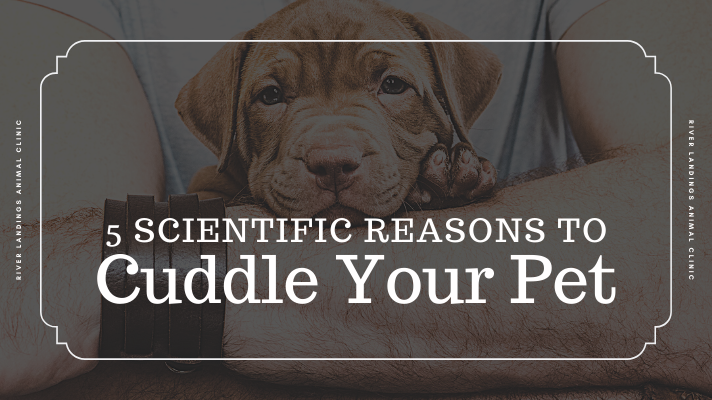
5 Scientific Reasons to Cuddle With Your Pet Every Day

When we’re busy with our daily lives, it’s easy to lose track of the things that matter most. Between the stresses of work, social obligations, and an ever-growing to-do list, cuddling with your pet often falls by the wayside.

Next time your dog is smashing their toy into the back of your leg or your cat won’t get off your laptop, don’t brush it off as an annoying inconvenience. Instead, stop what you’re doing and give your furry friend the love and affection it’s craving. Not only is cuddling with your pet a nice thing to do, it’s actually good for both of you! Here are five science-backed reasons why you should work some quality cuddle time into every day.

1. It Can Improve Your Physical Health

Humans and dogs have been together since prehistoric times, and both have a primal need for physical touch. When you cuddle with your dog, it stimulates the brain’s production of Oxytocin (also called the “love hormone”) in both you and your dog. This is the same hormone that is released during childbirth and when a mother breastfeeds her baby. It’s associated with the feelings of trust, empathy, and strong bond formation.

Oxytocin also inhibits cortisol production. High levels of this stress-hormone can lead to weight gain, reduced immune function, and an array of other problems. Cuddling with your pet can lower your heart rate, reduce your blood pressure, and may even stimulate muscle regeneration.

2. Cuddling Makes Your Pet Feel Loved and Secure

Dogs are pack animals that naturally want to bond with others. While cats are known for being fiercely independent, they too sometimes crave human touch. Giving your pet plenty of affection empowers it and makes it feel loved and secure.

Lack of affection from their human owners can cause dogs to become inactive, withdrawn, and change their eating patterns. It’s hard to tell if dogs feel sadness and depression in the same way humans do, but many vets agree there are times when that’s the only explanation for a pet’s change in behavior. If your pet is acting strange, a trip to the vet is definitely in order, but some extra cuddling also can’t hurt.

3. It Helps Relieve Anxiety and Depression

Cuddling stimulates the release of the neurotransmitters dopamine and serotonin, which help relieve depression and may make you feel happier. The act of holding and stroking your pet is also an effective way to combat anxiety. It creates a calming effect and helps you focus on the present moment.

When we’re constantly busy and on the go, we can start to feel guilty about not paying enough attention to our pets. Setting aside a few minutes each day to cuddle and bond can alleviate this guilt and help you maintain a positive mental balance.

4. Regular Physical Contact Helps You Stay in Tune with Your Pet’s Health

Daily physical contact with your pet makes it more likely that you’ll notice right away when something is wrong. While you’re stroking your pet, take notice of any new lumps or bumps, unpleasant smells, or areas that seem sensitive or tender.

Your pet can’t verbally tell you when something’s wrong, so the more in-tune you are with your pet’s body, the faster you can get them the medical attention they might need.

5. Snuggle-Sessions Are the Best Way to Start and End Your Day

Cuddling with your dog for 10 minutes before you get out of bed in the morning can help you feel calm, relaxed, and happy. Use this morning cuddle-time to get your mindset right and the positive vibes will flow through to the rest of your day.

A before-bed cuddle-session can also help you relax and let go of whatever happened throughout the day. It can promote feelings of restfulness and help you get a better night’s sleep.

How to Cuddle With Your Pet the Right Way

If you haven’t been regularly cuddling with your pet, take it slow. Not all dogs and cats like to snuggle, and some prefer a gentler approach. Pay attention to body language and don’t push it if they’re not into it.

Some pets prefer that you show your affection in other ways like going for walks, playing with toys, or simply spending time in close proximity without physical touch. No matter how you choose to do it, spending some time every day focusing your energy on your pets will strengthen your bond and keep both of you happier and healthier.


Hear From Us Again

Don't forget to subscribe to our email newsletter for more recipes, articles, and clinic updates delivered straight to your e-mail inbox.

Related Categories:

dog health

cat health

client care

January 5th is National Bird Day

Birds have always held special place in our hearts, which is why we celebrate them on National Bird Day every January 5! While birds are amazing, they're also a massive animal group under particular threat. The phrase “canary in the coal mine” was named after birds for a reason—they’re the barometers of our planet’s environmental health. The fact that so many bird species are under threat thanks to the illegal pet trade, disease, and habitat loss means it’s more important than ever to raise public awareness of the needs of birds. The survival of hundreds of species depends on it.

National Bird Day Activities:

🐤 Read an Audubon book

The Birds of America, created by John James Audubon, is just as much a work of art as it is a seminal work of scientific mastery.

🐤 Build a birdhouse

Birds need housing, just like every other animal. As we continue to deforest large swaths of the planet for development, it’s imperative for us to create birdhouses to make up for – even just a fraction – the loss of habitat they face everyday.

🐤 Feed some birds

Halved grapes, nuts, and seeds. If you’ve got some trail mix you don’t want anymore, birds would love you. In fact, if you have chickens you can actually feed them most food and table scraps and they’ll gobble it right up.


Hear From Us Again

Form Block
This form needs a storage option. Double-click here to edit this form, and tell us where to save form submissions in the Storage tab. Learn more

Don't forget to subscribe to our email newsletter for more recipes, articles, and clinic updates delivered straight to your e-mail inbox.

Related Categories:

avian health

From The Desk of Dr. Fox: State of the Industry

This is the time of year when we start to get notifications about annual price increases from all of our drug and product suppliers. We hate dealing with it as do you, our clients. Every drug and medical supply company does it every year to keep up with inflation and rising prices and we have always strived to keep the impact to our customers as minimal as possible.

This year however, is different than any other year in the 23 years we've been in business. We have already seen price increases in December effective immediately and the coming increases for other companies starting in January that are double, triple and even quadruple, what we typically see. Typically it might be 1 to 3% but we're seeing 5, 6 and even 8% increases.

Couple that with product shortages and the supply chain issues we are all experiencing and it's...not good.

We will do our best to keep costs down as much as possible, but much like you're seeing at the gas pump, the grocery store and virtually everywhere else, prices are increasing at a rate not seen in 30 or 40 years.

Sincerely,
Dr. Fox


Hear From Us Again

Don't forget to subscribe to our email newsletter for more recipes, articles, and clinic updates delivered straight to your e-mail inbox.