8 Ways to Keep Puppies Cool in Summer

blog_ 8 Ways to Keep Puppies Cool in Summer _banner.png

At such a young age, puppies are still learning how to regulate their body’s temperature when it’s hot out. It’s up to us as their caretaker’s to keep them comfortable on sweltering hot summer days. While letting your pup chill indoors with the air conditioning on, owners need to create an environment conducive to cooling down for outdoor pups.

Provide a Shady Rest Spot

If you don’t have shade provided by a tree in the yard, an outdoor patio umbrella or sunshade canopy that covers a portion of your dog’s run will work just fine. Also to consider is a well ventilated dog crate or doghouse with ample airflow. Providing several options will teach your pup where to seek shelter when their body temperature rises.

Offer Cool Drinking Options

Cold water aids in the evaporative process that happens when your dog pants. It’s one of the main ways that puppies (and dogs) regulate their body temperature. However, playful pups may dump or tip over the water bowl. One way to avoid such an incident is to dig a bucket-sized hole in the ground and fit a watering pail or bowl inside. This will stop your pup from tipping over their watering well. The soil will also act as a great insulator, keeping the water cooler for longer.

Create a Water Fountain

A water faucet attachment can transform your hose bib into a puppy water fountain. Special attachments like the Lixit Faucet will provide your puppy water on their demand. Train them to activate the drinking fountain before leaving them alone.

Freeze a Treat

Fill your pup’s favorite rubber chew toy (like a Kong) with soft food blended with chicken brother or water. Then, stick it in the freezer. Offer these pup friendly ‘pupsicles’ to help your pup stay cool.

Related: Dog Treats Recipe - Pumpkin Ice Cream

Misting Fans

Misting fans made for pets will keep your pet’s fur damp, keeping their body temperature under control. Avoid placing misting fans on bare ground, as it can create a muddy mess (which is very enticing to a puppy).

Pool Party Plans

A kiddie wading pool is perfect for a pup. Place in the shade, invite a few doggie friends over, and tire out exuberant pups. This is a great way to familiarize your puppy with water and water sports.

Dig a Dugout

A sandbox in a shaded corner of the yard will keep your pup cool. Puppy’s that love a good afternoon dig might even excavate their own spot. Wetting down a spot of sand for them to dig will create the perfect nest to chill and escape the heat of the day. Sand is a great medium for digging, and is far easier to shake out of fur than say, dirt or wet mud.

Cooling Tech for Pets

You can find cooling bandanas, collars, jackets, and mats for indoor/outdoor use. Soak in water before leaving and your pet is good to go for roughly five hours.


Hear From Us Again

Don't forget to subscribe to our email newsletter for more recipes, articles, and clinic updates delivered to your inbox (here). Or, you can keep up to date by liking and following our Facebook page (here).

Related: We have more information under our dog health tags.

How Hot is Too Hot For Your Dog?

blog_ How Hot is Too Hot _banner.png

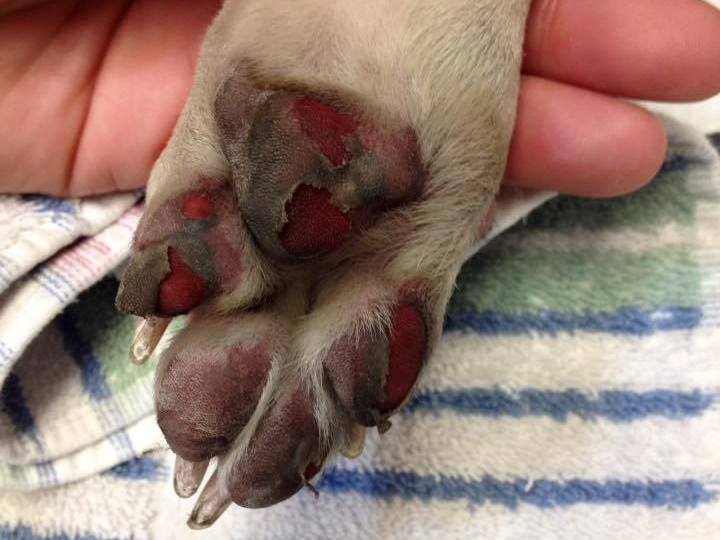
Dogs can suffer burns to their paws on days most people wouldn’t consider searingly hot.

If the outside temperature is a pleasant 77F (25C), there’s little wind and humidity is low, asphalt and tarmac can reach a staggering 125F (52C).

This can rise to 143F (62C) when the mercury hits 87F (31C).

It’s worth bearing in mind that an egg can fry in five minutes at 131F (55C) while skin destruction can occur in just one minute at 125 (52C).

The reason pavements get so hot is they soak up heat all day and then retain that heat.

Temperature of Surfaces at 2pm

Surface temperatures and their respective surfaces at 2pm.

Studies have shown that some surfaces retain heat far better than others.

In one university experiment, the temperature of six different surfaces was taken at two points in the day on two separate summer’s days.

The results showed that artificial grass came out hottest in all four trials, followed by the material that’s used to make running tracks and then asphalt.

All three surfaces measured upwards 122F at 2pm on both days. This temperature could severely burn a dog’s paws within a matter of minutes.

Brick and concrete came next in the surface temperature league table followed by natural grass. While sand wasn’t included in this experiment, it can get exceedingly hot too.

The fact natural grass was the coolest of the six suggests that owners should choose it to walk their dogs on hot summer’s days (although our strong advice is to exercise dogs before 8am and after 8pm when temperatures are no longer as high).

vets-now-dog-paws-burnt.jpg

How to protect paws on hot pavements:

- Follow the seven-second rule and check the surface for heat before you leave the house

- Keep to natural grass

- Walk early in the morning or late in the evening when surfaces are cooler

-Consider a pair of dog booties to help avoid burning paws


Hear From Us Again

Don't forget to subscribe to our email newsletter for more recipes, articles, and clinic updates delivered to your inbox (here). Or, you can keep up to date by liking and following our Facebook page (here).

Related: We have more information under our dog health tags.
Eye Discharge in Cats: Causes, Symptoms, and Treatment

blog_ Eye Discharge Cats _banner.png

Anything from a simple cold to a serious illness could be causing your cat’s eye discharge. Learn a few of the more common causes of eye discharge, when to see a vet, and what you can do at home to help your feline friend.

Eye Discharge Causes

A healthy cat’s eyes should be bright and clear.

Eye problems can bring out another cat entirely, one who paws at his eyes, squints, or blinks excessively. Because eye problems can lead to devastating consequences -- including surgery or blindness -- always talk to your vet when you notice your cat has irritated eyes. A few common reasons for cat eye discharge include:

  • Feline upper respiratory infections. A frequent cause of eye discharge in cats, these can include viruses such as feline calicivirus, a contagious respiratory disease, pneumonitis or rhinotracheitis (herpesvirus), bacteria, and protozoa. Symptoms can be mild or progress to something very serious and may include a sticky, pus-like eye discharge.

  • Conjunctivitis (pink eye). An inflammation of the light pink lining around your cat’s eye, conjunctivitis can cause one or both of your cat’s eyes to look red and swollen, be light-sensitive, and have clear, teary or thick mucus eye discharge. Conjunctivitis with fever, diarrhea, and trouble breathing can point to potentially fatal feline infectious peritonitis, though this isn’t very common.

  • Corneal disorders. A cat’s cornea, the dome-shaped surface that covers the front of the eye, can become inflamed, injured, or ulcerated. The result may be cloudiness, excessive blinking, inflammation, and increased tear production.

  • Watery, tearing eyes (epiphora). Blocked tear ducts, an overproduction of tears, allergies, viral conjunctivitis, and more can be behind your cat’s abnormal tearing.

  • Uveitis. An inflammation of the internal structures of the eye, trauma, cancer, immune problems or infections can cause the serious, often painful inflammation of uveitis.

  • Dry eye (keratoconjunctivitis sicca). A chronic lack of tear production, dry eye can lead to an inflamed cornea, red eyes, and if left untreated, blindness. Because the watery portion of tears is missing, a yellow, gooey eye discharge can result.

  • Other eye discharge causes include feline infectious peritonitis, allergies, something lodged in the eye, or third eyelid problems.

Eye Discharge Treatments

Because so many conditions can lead to eye discharge in cats, you really need to talk to your veterinarian before trying any eye discharge treatments on your cat.

Depending on what your veterinarian finds, treatment for cat eye discharge might include:

  • Feline upper respiratory infection. Specific treatments depend on the cause of the infection as well as how serious it is and may include eye medications, antibiotics, decongestants, and fluids.

  • Conjunctivitis. Pollen, dust, weeds, or other irritants can cause conjunctivitis, which may be treated with a steroid ointment. if it's caused by a bacterial infection, antibiotic ointments may be used.

  • Corneal disorders. Treatment depends on what’s troubling your cat’s cornea, but may include keeping kitty’s eyes clean, antibiotic eye ointment or drops, drops that promote healing, removing loose corneal tissue, cauterization, or surgery.

  • Watery, tearing eyes. Under general anesthesia, your vet may use plain water or saline to flush your cat’s blocked tear duct. If there's an infection, antibiotic eye ointment or drops may be needed.

  • Uveitis. The right treatment depends on what’s causing your cat’s uveitis, though that’s often hard to diagnose. Care may include eye ointment or drops to control inflammation and pain.

  • Feline calicivirus. Secondary bacterial infections, which can cause pneumonia and other serious issues, are common with calicivirus, so always call your vet if you suspect your cat has this disease. Treatment may include symptom control, antibiotics for secondary infections, and supportive care.

  • Dry eye. Many things can cause dry eye, from immune-mediated disease to distemper. Treatment can include eye drops or ointments, immune-suppressing drugs, antibiotics, or artificial tears.

When to See a Vet

Your cat’s eyes are as delicate as they are beautiful. Small problems can quickly turn into serious conditions. If your cat’s eye discharge symptoms don’t clear up within 24 hours or if your cat is squinting, talk to your veterinarian right away.

If you have medications left over from a previous eye problem, don’t use them on your cat’s eyes. Different eye issues call for different medications, and you can end up causing serious injury by using the wrong one.

Preventive Home Care for Healthy Eyes

You can help avoid eye problems in your cat by keeping up with yearly vaccinations, avoiding kitty overcrowding, and checking your cat’s eyes frequently for redness, cloudiness, a change in color or shape, discharge, or sensitivity to light.

To safely remove your cat’s eye discharge and make them more comfortable while waiting for their vet appointment, arm yourself with a bag of cotton balls and these simple tips from the ASPCA:

  • Dip a cotton ball in water. Wipe away the eye discharge, always from the corner of the eye outward. Use a fresh cotton ball for each eye.

  • Steer clear of any over-the-counter drops or washes unless your vet has prescribed them.

Because correct treatment can be so critical to the health and well-being of your cat, always talk to a veterinarian to be sure kitty is getting just the right care needed.


Hear From Us Again

Don't forget to subscribe to our email newsletter for more recipes, articles, and clinic updates delivered to your inbox (here). Or, you can keep up to date by liking and following our Facebook page (here).

Related: We have more information under our cat health tags.

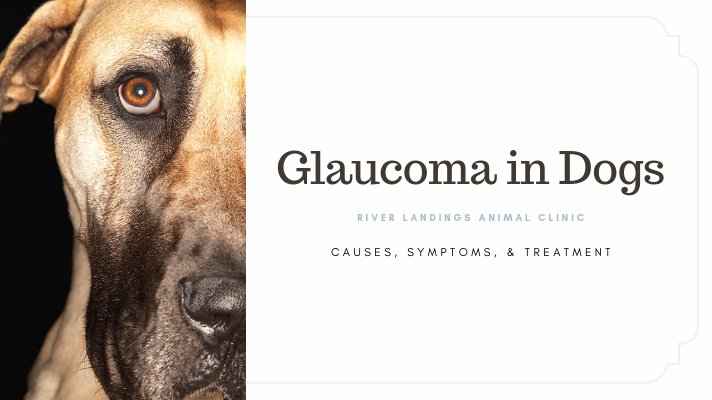
Glaucoma in Dogs: Causes, Signs & Treatment

blog_ Glaucoma _banner.png

Disease of the Optic Nerve in Dogs

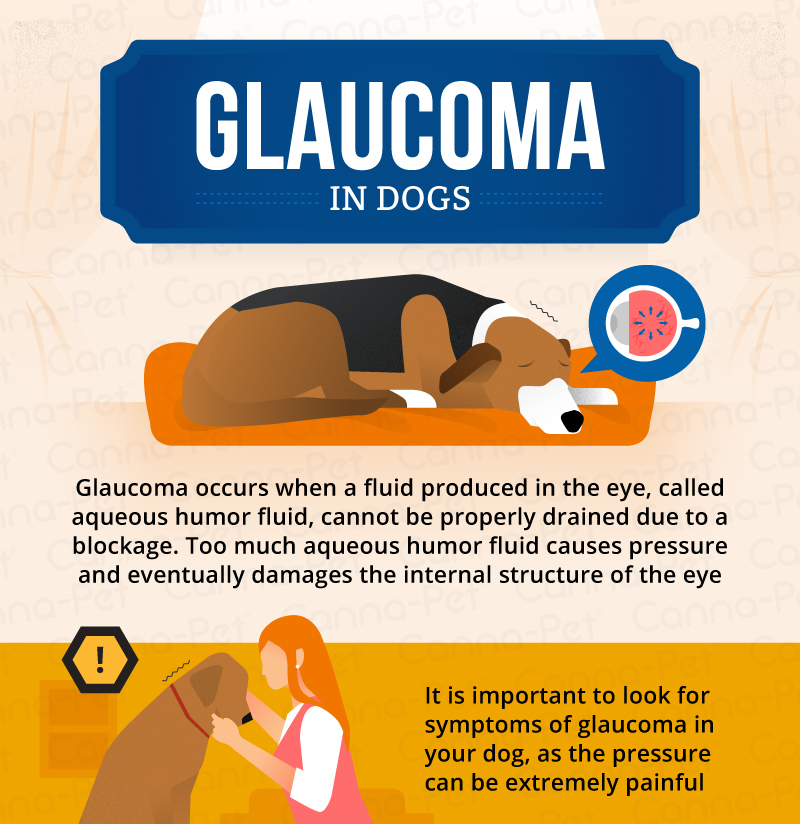
Glaucoma is a condition in which pressure is placed on the eye, causing inadequate fluid drainage in the eye. If the condition becomes chronic or persists without treatment, it will eventually cause permanent damage to the optic nerve, resulting in blindness.

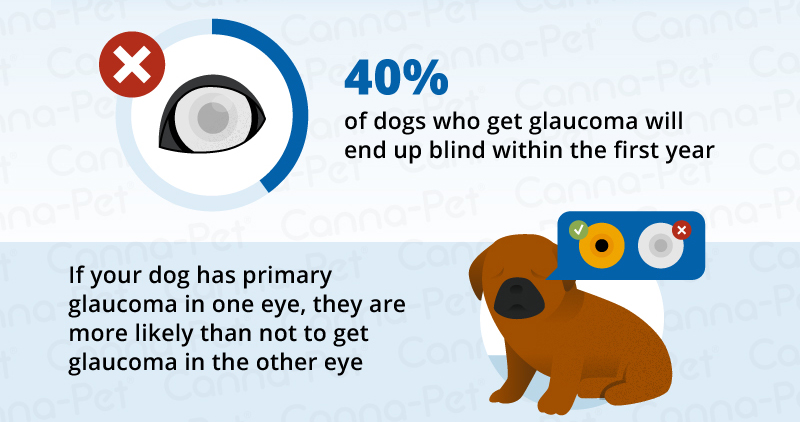
Glaucoma is common in certain dog breeds that are genetically predisposed, such as samoyeds, cocker Spaniels, poodles, chow chows, and Siberians. Unfortunately, 40% of dogs affected by glaucoma will become blind in the affected eye within the first year, regardless of medical or surgical treatment.


Symptoms and Types of Glaucoma

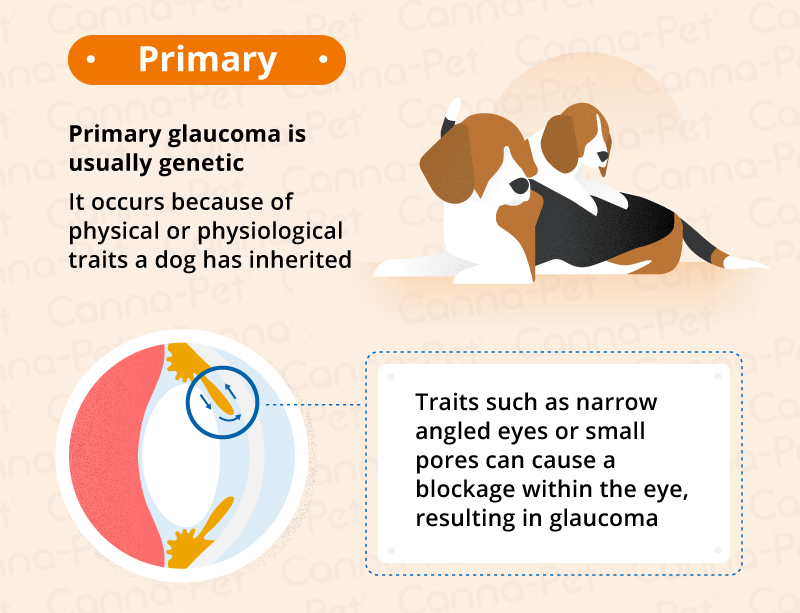
There are two main types of glaucoma: primary and secondary. Symptoms for sudden primary disease, due to the eye's inability to drain through the filtration angles of the eye, are as follows:

  • High pressure within the eye

  • Blinking of the eye

  • The eyeball may recede back into the head

  • Redness of the blood vessels in the whites of eyes

  • Cloudy appearance at front of the eye

  • Dilated pupil – or pupil does not respond to light

  • Vision loss


Long-term, advanced disease:

  • Enlargement of the eyeball (buphthalmos)

  • Obvious loss of vision

  • Advanced degeneration within the eye


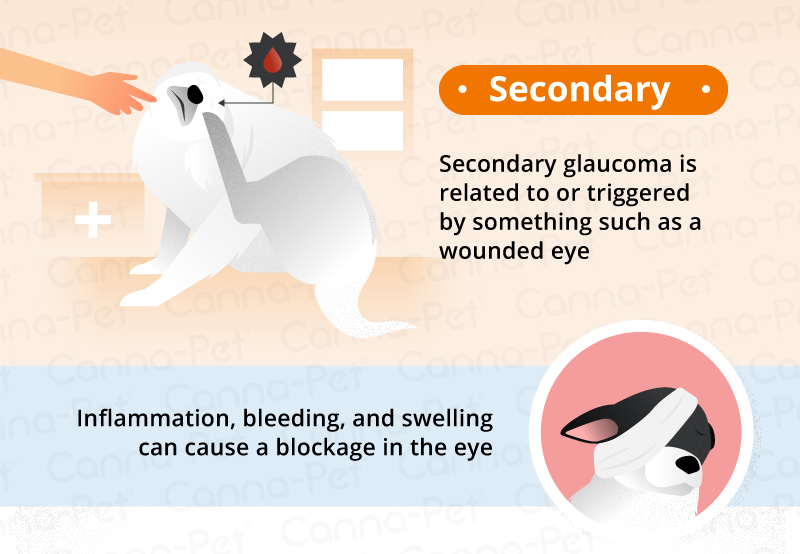
Symptoms for secondary glaucoma, or glaucoma due to secondary eye infection(s), include:

  • High pressure within the eye

  • Redness of the blood vessels in the whites of eyes

  • Cloudy appearance at front of the eye

  • Inflammatory debris visible in the front of the eye

  • Possible constriction of the pupil

  • Possible sticking of the iris to either the cornea or the lens

  • Possible that the edge of the iris circularly sticks to the lens


In addition, there may be:

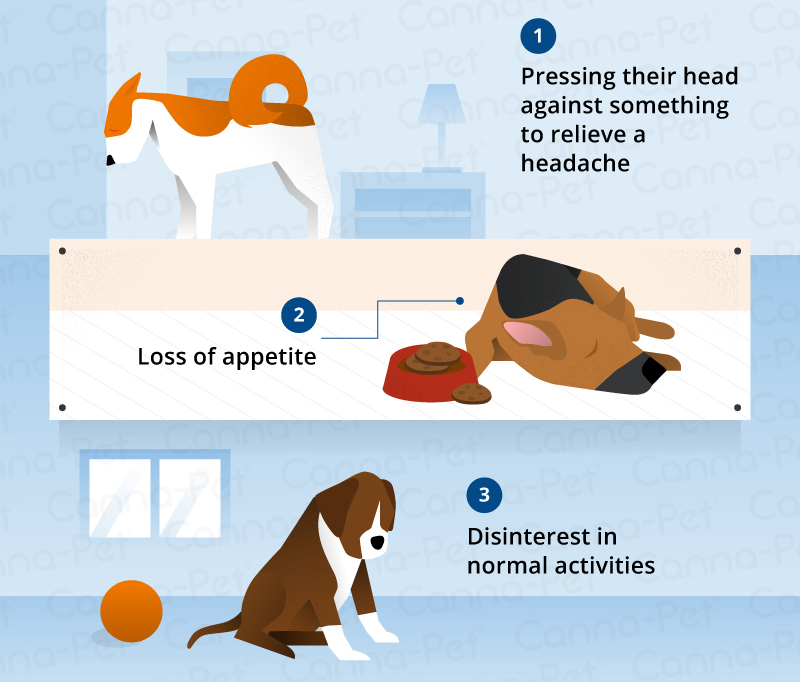
  • Headaches, with head pressing to relieve feelings of pressure in head

  • Loss of appetite

  • Change in attitude, less desire to play or interact


Causes

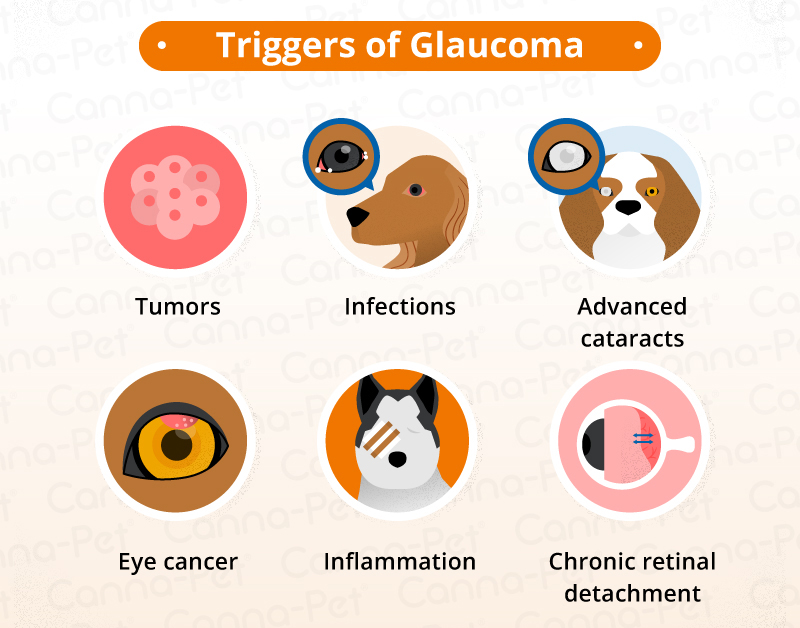
High pressure in the eye occurs when the normal outflow of fluid in the eye is impaired due to a primary eye disease such as the improper development of the eye's filtration angles, or secondary to other eye diseases such as primary lens luxation (slipping of the lens in the eye), inflammation of the tissues of the eye, eye tumor(s), or blood collection in the front of the eye from injury. In dogs, secondary glaucoma is more common than primary glaucoma.

Diagnosis 

You will need to give a thorough history of your dog's health, onset of symptoms, as far as you have been able to tell, and possible incidents that might have preceded this condition, such as injuries to the eye (even those which you consider minor). During the physical examination, your veterinarian will test the pressure within your dog's  eyes using a tonometer on the surface of the eye. If the disease began suddenly, your veterinarian will refer your dog to a veterinary ophthalmologist for a detailed examination of both eyes, including evaluation of the filtration angles by gonioscopy -- measuring the anterior of the eye. Pressure within the eye can measure as high as 45 to 65 mmHg, making this a very painful condition.

Electroretinography will be also performed by the veterinary ophthalmologist to determine if the eye will remain blind despite treatment. In secondary diseases, X-rays and an ultrasound may show abnormalities within the eye.

Often both eyes are affected, but not always. In cases where only one eye is affected, steps will be taken to protect the unaffected eye from developing a diseased condition.


Treatment

It is helpful to think of treating glaucoma like a major medical emergency. The faster and earlier you address the problem, the least likely your pet is to suffer maximum, sustained damages. The top three goals are to reduce pain, drain excess fluid, and reduce how much aqueous humor the eye produces.

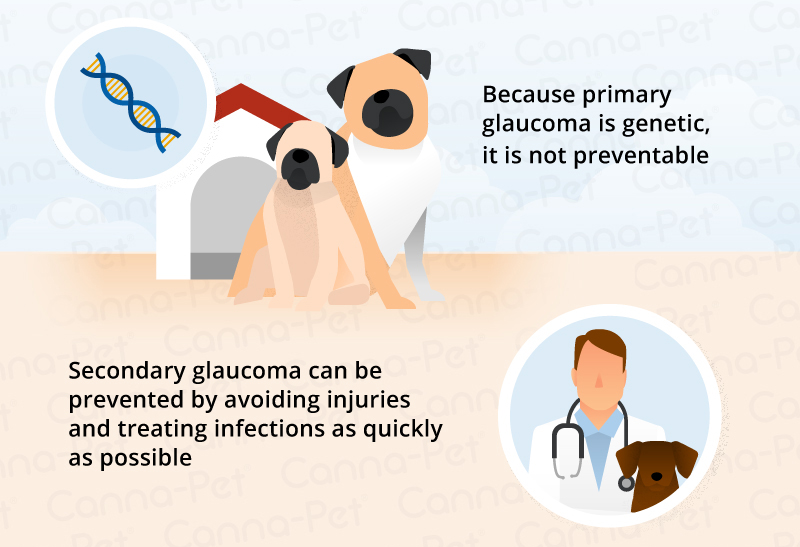
Most treatments are geared toward pain management to help ward off the headaches associated with glaucoma, and in delaying or preventing the disease from happening in the second eye. Your vet may recommend performing a gonioscopy to determine your best shot at saving the remaining eye.

Reduce aqueous humor fluid.

Some treatment options seek to decrease the amount of fluid the eye produces, since draining the eye and keeping it drained can be tough, if not impossible in animals. There are pills and eye drops used for these purposes, and although they are helpful, they aren’t that great as a long-term option, and are ineffective in an emergency. The medications are most useful as a Band-Aid method until surgery of the affected eye is possible. This combination of treatment methods is usually the pet owner’s best chance at saving their dog’s vision.

Reduce stress.

As with humans, stress can be very detrimental to a dog’s health. The immune system cannot do its job and the body cannot fight off oxidative damage if stress levels are high.

Avoid treating a blind eye.

Medical treatment of an eye that’s already blind is not recommended. There’s no point in paying for expensive drugs and therapies to try to recover sight that is impossible to recover. In some cases, it might just be best to remove the blind eye entirely in order to mitigate pain and discomfort. It’s cheaper than the cost of medications and ongoing visits with the vet for eye exams.


Hear From Us Again

Don't forget to subscribe to our email newsletter for more recipes, articles, and clinic updates delivered to your inbox (here). Or, you can keep up to date by liking and following our Facebook page (here).

Related: We have more information under our dog health tags.
What is Retinal Detachment?

blog_ Retinal Detachment _banner.png

The retina is the light-sensitive tissue that lines the inner surface of the eye. When it becomes detached from the tissue supporting it, a very serious situation exists. It is extremely important to get your pet to the veterinarian immediately if you suspect they are having vision problems.


There are several factors that can cause this disorder.

Some of the most common factors include:

  • Injuries to the face or eye

  • Diabetes

  • Tumors

  • Infections

  • Kidney disease

  • High blood pressure (especially in cats)

  • Hyperthyroidism (in cats)

  • Sickle-cell anemia

  • Poisoning

  • Cataracts or cataract surgery

  • Genetics

  • Poor blood clotting

Symptoms

The most serious symptom of a retinal detachment is reduced vision or, in some instances, blindness. The severity of your pet’s ability to see is directly related to the seriousness of how detached her retina is, or if it impacts both eyes. Other symptoms include dilated pupils (when the eye shows no response to changes in light), discoloration of the white of the eye, or leaking of the eye and clumsiness due to your pet’s inability to see well.

Diagnosis

Your veterinarian will perform a complete history and physical examination, including a thorough ophthalmic examination. They may also refer you to a veterinary ophthalmologist for additional evaluation. In addition to providing a thorough examination of your pet, your veterinarian may recommend tests to identify the underlying cause.

These tests may include:

  • Chemistry tests to evaluate kidney, liver, and pancreatic function, as well as sugar levels

  • A complete blood count to screen for infection, inflammation, anemia, and other blood-related conditions

  • Electrolyte tests to ensure your pet isn’t suffering from an electrolyte imbalance

  • Screening tests to rule out infectious disease

  • Cultures, PCR testing, and other specialized tests, which can identify if specific parasites or diseases could be the cause

  • X-rays of the chest and abdomen to look for abnormalities

  • A fecal test to rule out fecal parasites

  • A thyroid test to determine if the thyroid gland is producing too little (in dogs) or too much (in cats) thyroid hormone.

  • Blood pressure measurement

Treatment

It is important to begin treatment as soon as possible to prevent further damage to the eye or permanent blindness. Treatment can include medications and/or surgery. It will depend on the underlying cause of the detachment, the severity of the condition, and your pet’s overall health.

Prevention

While you may not be able to prevent retinal detachment, by being a diligent pet owner and carefully checking your furry friend regularly for anything out of place, you will help catch problems in their earliest stages!

If you have any questions or concerns, you should always visit or call your veterinarian – they are your best resource to ensure the health and well-being of your pets.


Hear From Us Again

Don't forget to subscribe to our email newsletter for more resources and latest news delivered to your inbox (here). Or, you can keep up to date by liking and following our Facebook page (here).

Related: We have more information under our dog health and cat health tags.