What Can I Catch From My Cat?

0707 _ what can i catch from my cat _BlogTh.png

Although most feline infectious diseases only affect cats, some of these diseases can be transmitted from cats to people. Diseases that can be transmitted from animals to people are called zoonotic diseases. While not comprehensive, this article highlights the most common zoonotic diseases that may be carried by cats and simple precautions you can take to reduce your risk of contracting these diseases. For more information about specific risks, diagnosis, and treatment of zoonotic diseases, contact your physician/health professional.

What's the risk?

The likelihood of an average person contracting a zoonotic disease from a cat is low, but individuals with immature or weakened immune systems are more susceptible to these diseases. This includes infants, individuals with acquired immunodeficiency syndrome (AIDS), the elderly, and people undergoing cancer chemotherapy or receiving other drugs that may suppress their immune systems.

Common Feline Zoonotic Diseases


Bacterial Infections

Cat scratch disease (CSD) is caused by a bacterium called Bartonella henselae, which may be carried in the saliva of infected cats and in the bodies of cat fleas. As the name implies, this bacterial infection is usually transmitted from cat to human via scratches, although it can also be transmitted via bite wounds and when a cat licks the open wounds of a person. Among cats, this bacterium is most commonly transmitted by the bites of infected cat fleas, and it may also be found in the feces of these fleas, which can serve as sources of infection if exposed to an open wound in either a cat or a human.

People with CSD usually develop swelling and possibly a blister at the site of the bite or scratch. Lymph nodes in the region of the wound may swell and become painful, and affected individuals may experience fever, headache, sore muscles and joints, fatigue, and poor appetite. Healthy adults generally recover with no lasting effects, but it may take several months for the disease to go away completely. People with compromised immune systems may suffer more severe consequences, including infections of the eyes, brain, and heart. Severe cases of CSD may require antibiotic therapy to resolve.

Approximately 40 percent of cats are infected with Bartonella henselae, but most show no signs of disease. Antibiotics do not reliably cure infection in these cats and are not currently recommended. For humans, avoiding scratches and bites (for example, by not allowing children to play roughly with cats), washing hands after playing with cats, controlling fleas, and keeping cats indoors all reduce the risk of CSD. Because most cases of CSD result from contact with kittens under one year of age, immunocompromised people should avoid such contact.

Pasteurella multocida is a bacterium found in the mouths of between 70 and 90 percent of cats, and it has been found in between 50 and 80 percent of cat bites in humans that become serious enough to seek medical attention. Cat bites infected with this organism may develop pain, swelling, and redness at the wound site within 24 to 48 hours. Pasteurella-infected cat bite wounds are successfully treated with antibiotic therapy in the vast majority of cases, but more serious complications, such as the spread of bacteria through the blood stream and infection of heart valves, may occur in rare cases.

Salmonella poisoning, also called salmonellosis, is caused by a group of bacteria called Salmonella, and can lead to diarrhea, fever, and stomach pain beginning one to three days after infection. People usually contract salmonellosis by eating contaminated food, such as undercooked chicken or eggs, but it is possible to contract the disease from infected cats, which can carry Salmonella bacteria and pass them in their stool. Although salmonellosis usually resolves on its own, some individuals require medical attention to address severe diarrhea or the effects of the infection on organs other than the digestive tract.

Salmonella is more commonly found in cats that feed on raw meat or wild birds and animals, so owners can reduce the risk of salmonellosis in themselves and their cats by keeping cats indoors and feeding them cooked or commercially processed food. Wearing gloves when cleaning litterboxes or gardening (in case outdoor cats have defecated in the soil) and washing hands thoroughly after these activities is also recommended.

Parasitic Infections

Fleas are the most common external parasite of cats, and their bites can cause itching and inflammation in humans and cats alike. Fleas may also serve as vectors for CSD and other zoonotic diseases. Flea-infested cats may become infected with tapeworms from fleas ingested while grooming. While not common, people can also become infected with tapeworms by inadvertently ingesting fleas.

Scabies, or infection by the mange mite Sarcoptes scabiei, is another zoonotic external parasite of the skin of cats. While not as common as flea infestations, these mites can be passed from infected cats to people, where they burrow into the skin and cause itchy, raised lesions. Treatment in people usually involves the use of topical ointments to decrease itching, diligent treatment of infective pets, and careful cleaning of clothes and bedding.

Certain feline intestinal parasites, including roundworms (Toxocara) and hookworms (Ancylostoma), can also cause disease in people. Children are particularly at risk due to their higher likelihood of contact with soil that has been contaminated by cat feces. Although most people infected with feline intestinal parasites do not show signs of illness, some people may get sick.

Visceral larva migrans, a potentially serious disease that can affect various organs, results from consumption of Toxocara eggs (for instance, when soiled fingers are placed in the mouth). Toxocara larvae may then migrate to abdominal organs, including the liver, or to the central nervous system. Symptoms of visceral larva migrans may include fever, fatigue, coughing, wheezing, and abdominal pain. Ocular larva migrans is the term used for a condition in which Toxocara larvae migrate to the eye, causing visual disturbances, abnormal eye movements, or eye pain and discomfort.

Cutaneous larva migrans, an itchy skin disease, is caused by contact with soil contaminated with Ancylostoma larvae. These larvae may penetrate and migrate under the skin, with resultant inflammation, itching and pain, and raised, red linear lesions in the skin that follow the larva’s migration. Proper hygiene, including washing hands before meals, cleaning soil from vegetables, and reducing exposure to cat feces can prevent infection. Anti-parasite medications for kittens and annual fecal exams for adult cats can reduce environmental contamination and the risk of human infection.

Fungal Infections

Ringworm (or dermatophytosis) is not caused by a worm at all. Rather, it is a skin infection caused by a group of fungi. Infected cats most often come from environments housing large numbers of animals. In cats, ringworm usually appears as a dry, gray, scaly patch on the skin. In humans, ringworm often appears as a round, red, itchy lesion with a ring of scale around the edge. Lesions may be found in a variety of places, including the scalp, the feet (where’s its referred to as “athlete’s foot”), the groin, or the beard. Ringworm is transmitted by contact with an infected animal’s skin or fur, either directly or from a contaminated environment. Infected cats continuously drop fungal spores from their skin and fur. These spores, which remain capable of causing infection for many months, are difficult to eradicate from a household. Children are particularly at risk of infection. Treatment involves the use of either topical antifungal ointments or oral antifungal medication, depending upon the severity and location of lesions. To reduce environmental contamination, confine infected cats to one room until they are free of infection, then thoroughly clean and disinfect the household.

Protozoal Infections

Protozoans are single-celled organisms. The three most common protozoal diseases in cats and humans are cryptosporidiosis, giardiasis, and toxoplasmosis.

Cryptosporidiosis can cause diarrhea, vomiting, fever, abdominal cramps, and dehydration in both cats and people. Either direct or indirect contact with the feces of cats infected with Cryptosporidium organisms can lead to transmission of this disease. As with most other zoonotic diseases, immunocompromised individuals are at the greatest risk of infection. To prevent the spread of infection, schedule annual fecal examinations for your cats, and medicate infected cats as directed by your veterinarian. Other preventive measures include wearing gloves while handling feces-contaminated material and washing hands afterwards.

Giardiasis is caused by infection with the microscopic parasite Giardia. Many animal species (including the cat), are susceptible to infection with Giardia, which is passed in the feces and usually spread to other animals and humans via contaminated water sources, surfaces, or in uncooked food items. The symptoms of Giardia infection include diarrhea, flatulence, abdominal cramps, nausea, and dehydration. A number of prescription drugs are available to treat this condition, and most people that are infected make an uneventful recovery. It is important to realize that the majority of cases of giardiasis in people do not occur as a result of infection by cats, but rather by ingesting water or food contaminated by farm animals or wildlife.

Toxoplasmosis is caused by the parasitic protozoan Toxoplasma gondii. People with weakened immune systems and infants whose mothers are infected during pregnancy can develop severe illness from this parasite. Most people infected with Toxoplasma, however, show no overt signs of disease.

Cats can acquire Toxoplasma by eating infected rodents, birds, or anything contaminated with feces from another infected animal. An infected cat can shed the parasite in its feces for up to two weeks. Once shed in the feces, the parasite must mature for one to five days before it becomes capable of causing infection. However, it can persist in the environment for many months and continue to contaminate soil, water, gardens, sandboxes, or any place where an infected cat has defecated. Although pregnant women or immunosuppressed individuals are often advised to remove cats from the household to reduce the risk of toxoplasmosis, direct contact with cats is very unlikely to spread infection with this organism.

Cats can transmit Toxoplasma to people through their feces, but humans most commonly become infected by eating undercooked or raw meat, or by inadvertently consuming contaminated soil on unwashed or undercooked vegetables. The symptoms of toxoplasmosis include flu-like muscle aches and fever, and headache. In rare cases, more advanced symptoms such as confusion, seizures, vomiting, or diarrhea may be observed.

Basic hygiene can prevent the spread of Toxoplasma from cats to humans. Wear gloves when handling potentially contaminated material (for example, when gardening or scooping the litterbox), and be sure to wash your hands afterwards. Cover children’s sandboxes when not in use to prevent wandering cats from defecating in them.

Pregnant women or immunosuppressed individuals are safest when other household members clean the litter box.

Viral Infections

Rabies is a viral disease that is spread through the bite of an infected animal. Although most viruses infect only their natural host species, rabies is an important exception. Cats are highly susceptible to rabies, which attacks the central nervous system, causing a variety of signs. Rabies is almost always fatal. In people, rabies infections usually occur when an infected animal bites a person. In order to protect human health, rabies vaccination of cats is required by law in many areas. Even if your cat is kept indoors, it is important to keep rabies vaccines current because cats occasionally escape outdoors, and because rabid animals such as bats and raccoons occasionally enter houses. To further reduce your risk of rabies, avoid contact with wildlife and stray animals and see a doctor immediately if you have been bitten by an animal.


Hear From Us Again

Don't forget to subscribe to our email newsletter for more recipes, articles, and clinic updates delivered straight to your e-mail inbox.

Related Categories:

cat health

client care

6 Tips for Caring for a Senior Cat

0618 _ caring for senior cats _BlogTh.png

With good care and luck, our cats can live well into their late teens, and even their twenties. But as cats age, their physical and behavioral needs change.

While these changes are obvious as your kitten matures into an adult cat, the changes when your cat transitions from an adult to a senior—starting at 11 years old—can be harder to spot.

Here are the top six ways to care for aging cats.

Tip 1: Pay Extra Attention to Your Senior Cat’s Diet

Senior cats have unique dietary and behavioral needs. It is more important than ever for your cat to be a healthy weight to maintain optimum health.

Talk to your veterinarian about how and when to transition your cat to food that's specific to senior cats. Your veterinarian will help you assess your cat’s optimum weight and can recommend a senior food to help maintain, lose, or gain weight.

A cat’s digestion is also improved by feeding them small, frequent meals throughout the day and night. Measure your cat’s daily food and distribute it in small portions.

You can use tools like hunting feeders and puzzle toys that promote physical and mental engagement at mealtime as well.

Tip 2: Increase Your Cat’s Access to Water

As cats age, they are prone to constipation and kidney disease, especially if they are not staying hydrated enough.

Increase your senior cat’s water intake by providing canned food and more options for drinking water.

As your cat gets older, they might not be able to jump up on to counters or access the usual water dish. Add more water stations around the house with plenty of bowls and/or pet water fountains to entice your senior cat to drink more.

Tip 3: Keep an Eye Out for the Subtle Signs of Pain in Cats

Cats are masters at hiding their pain. As many as nine out of 10 senior cats show evidence of arthritis when X-rayed, yet most of us with senior cats have no idea.

The most important thing you can do to prevent the pain from arthritis is to keep your cat at a healthy weight. As little as a pound or two of excess weight can significantly increase the pain of sore joints.

Your veterinarian can help you with a long-term plan to help control your cat’s pain with medicine, supplements, and alternative treatments, like acupuncture, physical therapy, and laser treatments.

Tip 4: Don’t Neglect Your Cat’s Dental Health

Dental disease is very common in aging cats. Cats can get painful holes in their teeth, broken teeth, gum disease, and oral tumors that significantly affect their quality of life.

Infections in the mouth enter the bloodstream and can slowly affect the liver, kidneys, and heart. So paying attention to your cat’s dental health is essential to caring for them during their senior years.

Often, there is no clear sign of dental disease. Cat parents see weight loss and a poor hair coat as the vague signs of aging, not an indication of a potential problem.

A thorough veterinary exam and routine dental care can drastically improve your cat’s quality of life, and can even extend their lifespan.

Tip 5: Give Senior Cats Daily Exercise and Mental Stimulation

Environmental enrichment is an essential part of your cat’s quality of life.

All cats need places to climb, places to hide, things to scratch, and ways to hunt and play. All of these things will help your cat stay physically and mentally stimulated as well as healthy.

However, as your cat ages, providing these things may require some extra thought. Your cat’s mobility may become more limited, so you will need to make your home more accessible so that it’s easier on their older joints.

For example, a carpeted cat ramp can act as a scratching post as well as a climbing aid for cats with arthritis. A covered cat bed can give aging cats a cozy, warm place to hide that also helps to soothe sore joints and muscles. You can move their food and water bowls to more accessible locations on the ground instead of on tables or counters.

Tip 6: Don’t Skimp on Biannual Vet Visits

Finally, and most importantly, maintaining a good relationship with your veterinarian is critical when discussing care and quality of life for your cat in their senior years. Ideally, cats over 11 years of age should see the veterinarian every six months.

Blood work done during these visits can detect the onset of health issues—like kidney disease—while there’s still time to make medical changes that will improve and extend your cat’s life.

Weighing your cat twice a year will also show trends in weight loss or gain that can be valuable clues to overall health changes. And oral exams will detect dental disease before it negatively impacts your cat’s health.


Hear From Us Again

Don't forget to subscribe to our email newsletter for more recipes, articles, and clinic updates delivered to your inbox (here). Or, you can keep up to date by liking and following our Facebook page (here).

Related: We have more information under our cat health category.

5 Tips for Caring for a Senior Dog

0616 _ caring for senior dogs _BlogTh.png

If your dog is going a little gray in the muzzle, they may be entering the senior stage of their life.

While the standard age range for senior dogs varies by breed and size, pet parents should watch for signs of aging and make necessary adjustments to provide their pets with the best senior dog care available.

How to Take Care of Senior Dogs

If you need to take care of a dog who is older, making subtle changes to your dog’s routine, veterinary care, and home environment can help them live a healthier and more comfortable life.

Tip 1: Keep Your Senior Dog Active

As dogs age, it’s important that they continue to get plenty of exercise. If they don't move it, they lose it. Muscle mass is the main driver of metabolism, and dogs that lose muscle mass develop frailty syndrome, which accelerates the aging process.

If a dog’s activity level gradually decreases over time, it could be a sign that something is wrong. Owners of old dogs should watch for subtle signs of pain and visit a veterinarian to come up with an ideal treatment plan. Pet parents still think that 'slowing down' is normal for old age. It isn't always the case—it is indicative of untreated pain.

Dog monitors that attach to a dog collar, such as the Whistle 3 dog GPS tracker and activity monitor, are useful tools that are designed to help pet parents keep tabs of their dog’s activity level. If activity levels are low, dog owners can adjust a pet’s exercise routine to include more playtime or longer walks.

Keeping your senior dog active will also help prevent weight gain. Keeping your dog thin is the most important thing you can do to help minimize the effects of arthritis.

Tip 2: Get Your Dog’s Blood Work Checked

As dogs get older, it’s a good idea to see your veterinarian on a regular basis for checkups. Besides an annual or biannual exam, it is suggested that pet parents get yearly blood work done for their senior dogs.

It's recommended that you do blood work to check your senior dog's white and red blood cells and their kidney and liver function to make sure that they're healthy. This is an easy way of being able to detect any kind of disease.

Tip 3: Invest in an Orthopedic or Heated Dog Bed

If you want to take care of a dog that is getting up there in age, splurging on an orthopedic dog bed or a heated dog bed may help senior dogs that are suffering from arthritis and other joint problems.

A pain-free, restful sleep is huge for older dogs. It can improve mobility, reduce pain, and improve quality of life.

A heated dog bed may help a senior dog with stiffness and joint problems. It has a built-in heater that warms up to your dog’s natural body temperature.

You can place a heated pad or mat into your dog’s bed for a similar effect. Consider electric warming pads that are thermostatically controlled and have emergency shut-offs if they overheat. Such a pad will provide substantial relief for the achiness of age-related arthritis.

In particular, the K&H Pet Products pet bed warmer is specifically designed not to exceed the natural body temperature of your dog. It fits inside most pet beds and is MET listed for safety. This means that it has been tested at a “Nationally Recognized Testing Laboratory” to ensure quality and safety standards.

Tip 4: Try Using a Dog Support Sling

If your senior dog has mobility problems, a dog support sling or a specially designed dog harness can be a big help. If your dog has a really hard time getting up, sometimes using a dog sling can help them get on their feet. There are great harnesses available that have a handle on the back so you can easily assist your dog. Dog support slings are designed to help make walking, climbing stairs, going to the bathroom, or getting into the car easier for your senior dog.

Tip 5: Make Small Changes to Your Dog’s Environment

If you have a senior dog, making small adjustments to your home and their environment can have a big impact.

Putting down more carpeting around your home so that your senior dog will have an easier time getting up and will be less likely to slip on hardwood or tile floors.

Dog socks with rubberized, non-slip soles can also help provide traction for senior dogs.

It is also recommended that senior dog parents consider using dog ramps throughout their homes. Ramps are a wonderful way to help dogs get into cars, up and down stairs and onto furniture.

Additionally, pet parents may need to reevaluate the dog food and water setup they have for their dog in order to provide extra comfort and ease of use. Pet parents should consider an elevated dog bowl for their dog’s food and water to eliminate excess strain on a dog’s head and neck.

Senior dog parents should make finding a water bowl easier for their aging pups. You may have to increase the number of water bowls around the home if the pet has trouble remembering where any single bowl may be located. A nightlight by the food and water can help, too.

Night vision is the first type to dissipate over time, so it can help your aging pet to put up nightlights throughout the home. You can also block stairways by using dog gates.


Hear From Us Again

Don't forget to subscribe to our email newsletter for more recipes, articles, and clinic updates delivered to your inbox (here). Or, you can keep up to date by liking and following our Facebook page (here).

Related: We have more information under our dog health category.

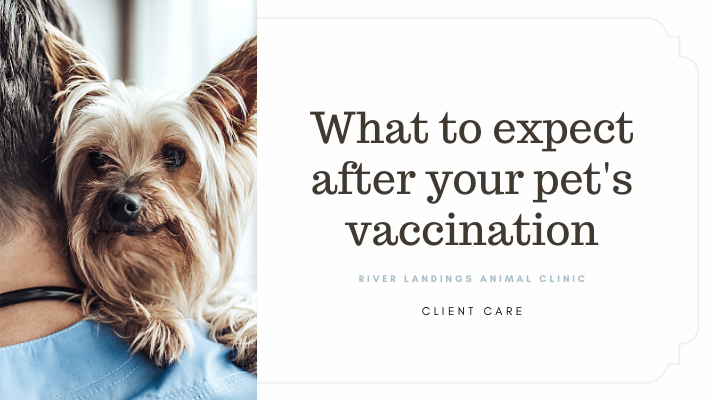
What to expect after your pet's vaccination

It is common for pets to experience some or all of the following mild side effects after receiving a vaccine, usually starting within hours of the vaccination. If these side effects last for more than a day or two or cause your pet significant discomfort, it is important for you to contact your veterinarian:

  • Discomfort and local swelling at the vaccination site

  • Mild fever

  • Decreased appetite and activity

  • Sneezing, mild coughing, "snotty nose" or other respiratory signs may occur 2-5 days after your pet receives an intranasal vaccine

A small, firm swelling under the skin may develop at the site of a recent vaccination. It should start to disappear within a couple of weeks. If it persists more than three weeks or seems to be getting larger, you should contact your veterinarian.

Always inform your veterinarian if your pet has had prior reactions to any vaccine or medication. If in doubt, wait for 30-60 minutes following vaccination before taking your pet home.

More serious, but less common side effects, such as allergic reactions, may occur within minutes to hours after vaccination. These reactions can be life-threatening and are medical emergencies.

Seek veterinary care immediately if any of these signs develop:

  • Persistent vomiting or diarrhea

  • Itchy skin that may seem bumpy ("hives")

  • Swelling of the muzzle and around the face, neck, or eyes

  • Severe coughing or difficulty breathing

  • Collapse


Hear From Us Again

Don't forget to subscribe to our email newsletter for more recipes, articles, and clinic updates delivered to your inbox (here). Or, you can keep up to date by liking and following our Facebook page (here).

Related: We have more information under our cat health + dog health + client care categories.

Doggy outings in an age of social distancing

0512 _ Doggy outings in an age of social distancing _BlogTh.png

Life and everyday routines have been turned upside-down due to coronavirus restrictions—even for our dogs. It's likely you and your pup are missing your old life together: road trips, volunteer visits, activities with friends, puppy playdates, or puppy day camp. But slow, scent-filled strolls in local parks can become a welcome stand-in. Under stay-at-home orders, walking our dogs are, for many, a refreshing distraction. When it comes to a change of scenery, it’s an indulgence for those on either end of the leash.

Here are 10 tips for keeping your dog & you safe and healthy during the pandemic and beyond. (It goes without saying: Always pick up after your pup. If you can’t safely toss it in a public trash can, discard it at home.)

Stay close to home. Avoid unnecessary travel by finding a park or trail near your home. Check park websites and social media for updates, and respect closures: gates, cones, barricades, or signs. Although on some days you may need to take a short drive to the park with your dog, keep in mind that parking may be prohibited in some areas.

Adjust your routine. Some of your pet's favorite spots could be closed or completely blocked to cars. Popular spots could be open but often too congested for social distancing. If a park looks too crowded, or there’s no legal parking, plan to visit another time.

Treat your dog like a family member. According to the Centers for Disease Control and Prevention, “There is no evidence that animals play a significant role in spreading the virus that causes covid-19.” While a small number of pets have been reported to be infected with the virus, mostly after contact with people, the risk of animals spreading covid-19 to people is considered low. Until more is known about the virus, however, the CDC recommends treating pets as you would any other family member: Don’t let them interact with people or animals outside the household or family members who are sick.

Keep your distance. On paths and trails, stay at least six feet from other people AND dogs. When walkers or runners approach, step off the path and allow them to pass. Even better, find a field where you and your dog won’t have to pass anyone. We discourage on-leash meetings — now or ever. It’s an unnatural way for dogs to greet each other, and the tension on the leash can contribute to bad manners. If a stranger asks about saying hello to your dog, this is an easy time to practice saying, “Not right now, thanks for asking,” without the stigma of being unfriendly. Not all dogs love other people or other dogs. Know your dog and what's comfortable for them. Even after we go back to not social distancing, we should be in the mind-set of giving dog space if they want it.

Read your dog. Pay attention to cues to know how your dog is feeling, especially when encountering another dog. Yawning, lip-licking, paw-raising, and tail-tucking can all be signs of anxiety. People tend to assume that a wagging tail means a happy pup, but it simply means arousal. A fast, upright wag means a canine concern. The friendly tail wag is lower, sometimes a full-body wag starting at the shoulder. Check out iSpeakDog for more guides to reading your pet’s body language.

Leash up. It’s always important to follow leash laws — for the protection of your dog, other dogs, and humans — but it’s particularly important now. The use of retractable leashes is controversial. Alexandra Dilley, director of behavior and training at the Humane Rescue Alliance (HRA), advises against the leashes because many people mishandle them. It takes coordination and practice to shorten the leash if you need to quickly control your dog. Dilley warns that retractable leashes can get entangled with other dog leashes, and if you grab the leash as a dog’s running it out, you may cut or burn your hand. When trainers do recommend retractable leashes, it’s only for remote areas or fields, where 20-foot traditional leashes are handy, too.

Train while you walk. Take this quieter time to work with your dog on behavior. If your dog gets triggered (by a person, dog, skateboard, loud truck, etc.), shorten the leash, try to put yourself between the dog and the trigger, and pass as quickly as possible. Do not make the dog sit and force them to remain in an uncomfortable situation. If you have to pick up the pace while distracting the dog with treats, I think that’s the better option.

Don’t leave home without treats. In an environment with lots of distractions, it’s important to keep your dog’s attention. The best way to do that is with treats. For example, when you step aside on a trail or pathway to let a dog pass, reward your dog for sitting and waiting. Treats, especially low-calorie and low-mess treats, are also a great way to reinforce good behavior. To engage dogs who aren’t as food-driven, bust out those higher-value treats.

Go for a short sniff. You may be counting your steps, but your dog doesn’t need to follow suit. Sniffing and other mentally enriching exercises (such as finding hidden treats around the house or working to get their kibble out of a toy) are at least as important as physical exercise. Replace that four-mile walk with a leisurely, one-mile sniff. Introducing your dog to new places — where different critters live and varied smells await — is like picking up a new book. Eighty percent of the walks should be sniffing. You’ll be surprised how tired that makes them! If it’s a bad weather day, maybe consider buying or making your own Snuffle Mat.

Leave your dog home daily. Dogs aren’t much for planning, but their human companions can do something now to prevent separation anxiety in the future. We recommend leaving your dog home alone several times a day. Go out and have your own experience to remind them we do have lives away from them, and we’ll be going back to work and school. If you normally take your dog for two or three walks a day, don’t start doing it more often, just because you have more time. Rather, get in your own power walk. Also important: Keep your routine. If your dog typically walks and eats before sunrise stick to the schedule so the post-pandemic change won’t be traumatic.

HRA recently offered a webinar with tips on how to teach your dog to “live well when alone.”

COVID-19: The Time is Now to Teach Your Dog to Live Well When Alone. Join the Humane Rescue Alliance and Tracy Krulik for information on how to prevent and t...

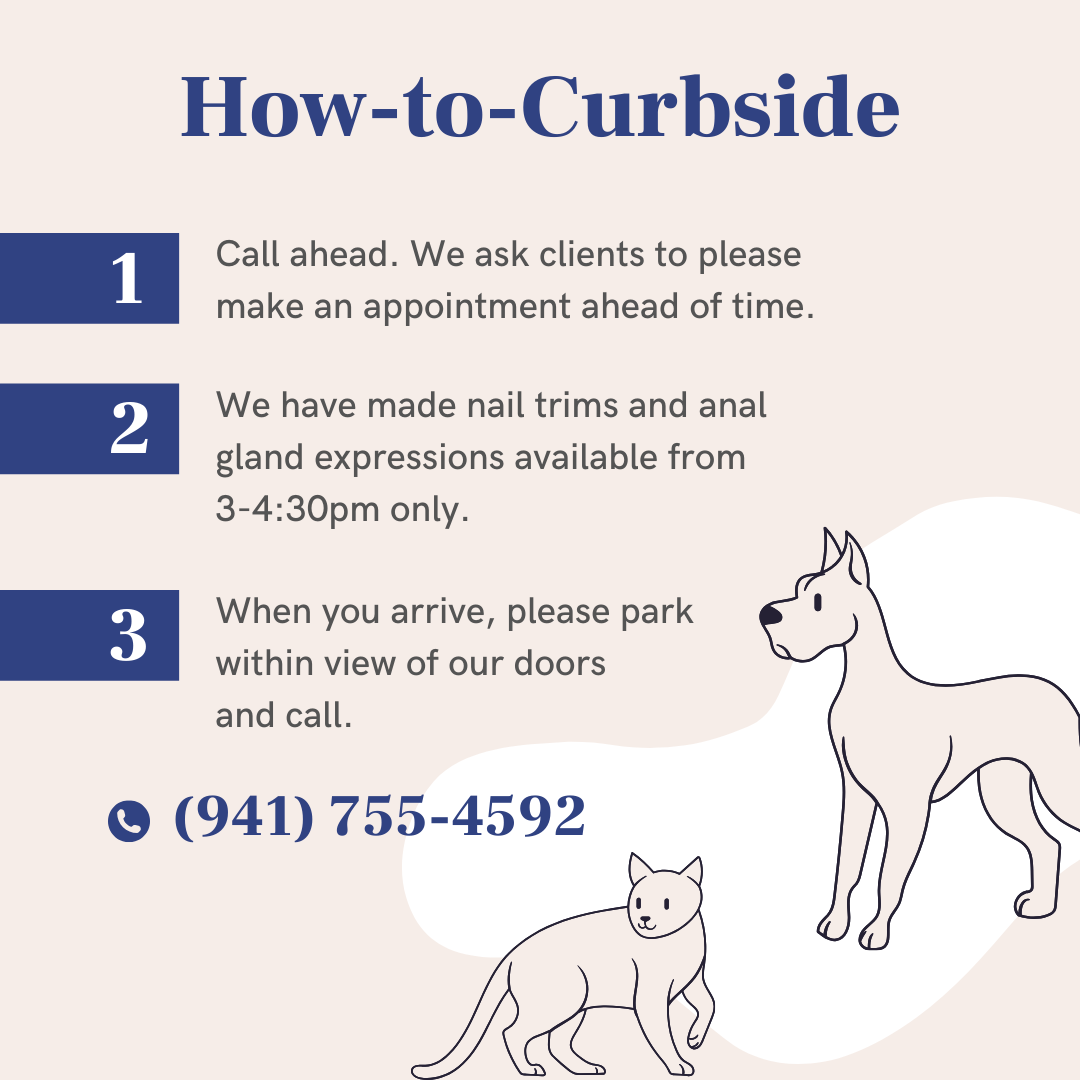
COVID-19 Response: River Landings Animal Clinic


Hear From Us Again

Don't forget to subscribe to our email newsletter for more recipes, articles, and clinic updates delivered to your inbox (here). Or, you can keep up to date by liking and following our Facebook page (here).

Related: We have more information under our cat health + dog health + client care categories.